
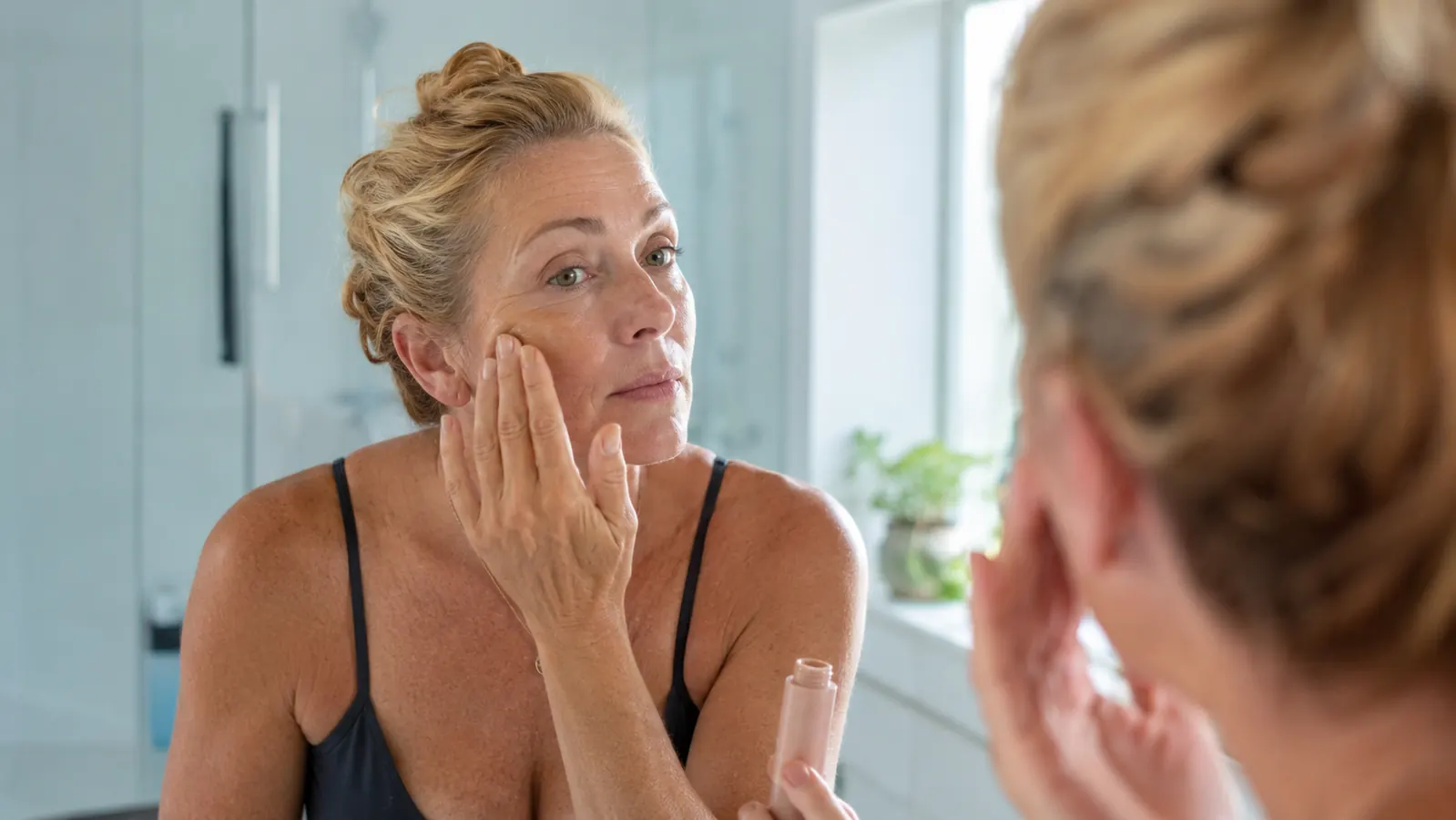
My friend Deb texted me in May with a screenshot of a CeraVe Hydrating Mineral Sunscreen review and one question underneath it: does this really not leave a white cast? I get some version of that question at least once a week, still, years after closing my salon in Peachtree City. Mineral sunscreen has a reputation problem, and CeraVe's tinted version has been fighting that reputation since it launched. So instead of giving you another glowing five star writeup, I bought this exact CeraVe sunscreen with my own money, used it the way regular people actually use sunscreen, in a hurry, some mornings skipped, applied over yesterday's leftover moisturizer, and I'm going to tell you the parts nobody mentions in the marketing copy or the five star reviews.
I want to be clear about what this review is and isn't. This isn't six months of daily wear data, I already wrote that piece separately. This is the honest, slightly messier side of CeraVe's Hydrating Mineral Sunscreen SPF 30, the stuff that comes up after you've had the tube a few weeks and the honeymoon period wears off. Rated 4.4 stars across more than 3,600 reviews and priced under 13 dollars, CeraVe's mineral formula sounds almost too easy on paper. It isn't, not entirely, and if you've read glowing reviews that make it sound like a miracle in a tube, you deserve the fuller picture before you buy your own.
The Quick Verdict
A solid mineral sunscreen once you know its quirks, real zinc oxide protection and a wearable tint, but only if you apply enough of it and go in knowing what the reviews leave out.
Amazon Check Today's Price →Nobody tells you the white cast fades in under a minute. Here's what else they leave out.
I'm walking you through everything CeraVe's marketing skips, the reapplication reality, the layering quirks, all of it. See today's price and current availability on Amazon before you read on.
Amazon Check Today's Price on Amazon →How I Actually Tested This, Warts and All
I didn't test this CeraVe sunscreen in a lab coat with measuring spoons. I tested it the way I actually live, which means some mornings I remembered to apply it before my coffee got cold and other mornings I swiped it on in the car at a red light on the way to my niece Ashley's softball game. I used the CeraVe tube for eight straight weeks, tracked how it behaved under three different moisturizers, two different foundations, and one very hot, very humid Georgia July. I also handed a sample tube to my former salon assistant Renee, who has fair Irish skin and was, frankly, my control group for the white cast question everybody keeps asking about.
Renee agreed to text me a photo every time she used it for two weeks straight, no filters, no ring light, just her bathroom mirror. That turned out to be more useful than my own experience, because my skin is medium and olive leaning, and CeraVe's tint disappears into that tone almost instantly. Renee's skin told a different story, and I'll get into exactly what that looked like in a minute. I also deliberately did the things you're not supposed to do, applying too little, rubbing instead of patting, layering it under a heavy retinol cream, just to see where CeraVe's formula actually breaks down instead of only showing you its best behavior.
None of this was scientific. It was just honest. I wanted to know what happens on the mornings when you're not being careful, because that's most mornings for most people, myself included. If a sunscreen only performs well when you follow every instruction to the letter, that's a sunscreen that's going to fail plenty of the people who buy it. CeraVe's mineral formula held up better than I expected under sloppy real world use, but not perfectly, and the gaps are worth knowing about before you spend your own money on it.
What the Bottle Doesn't Tell You
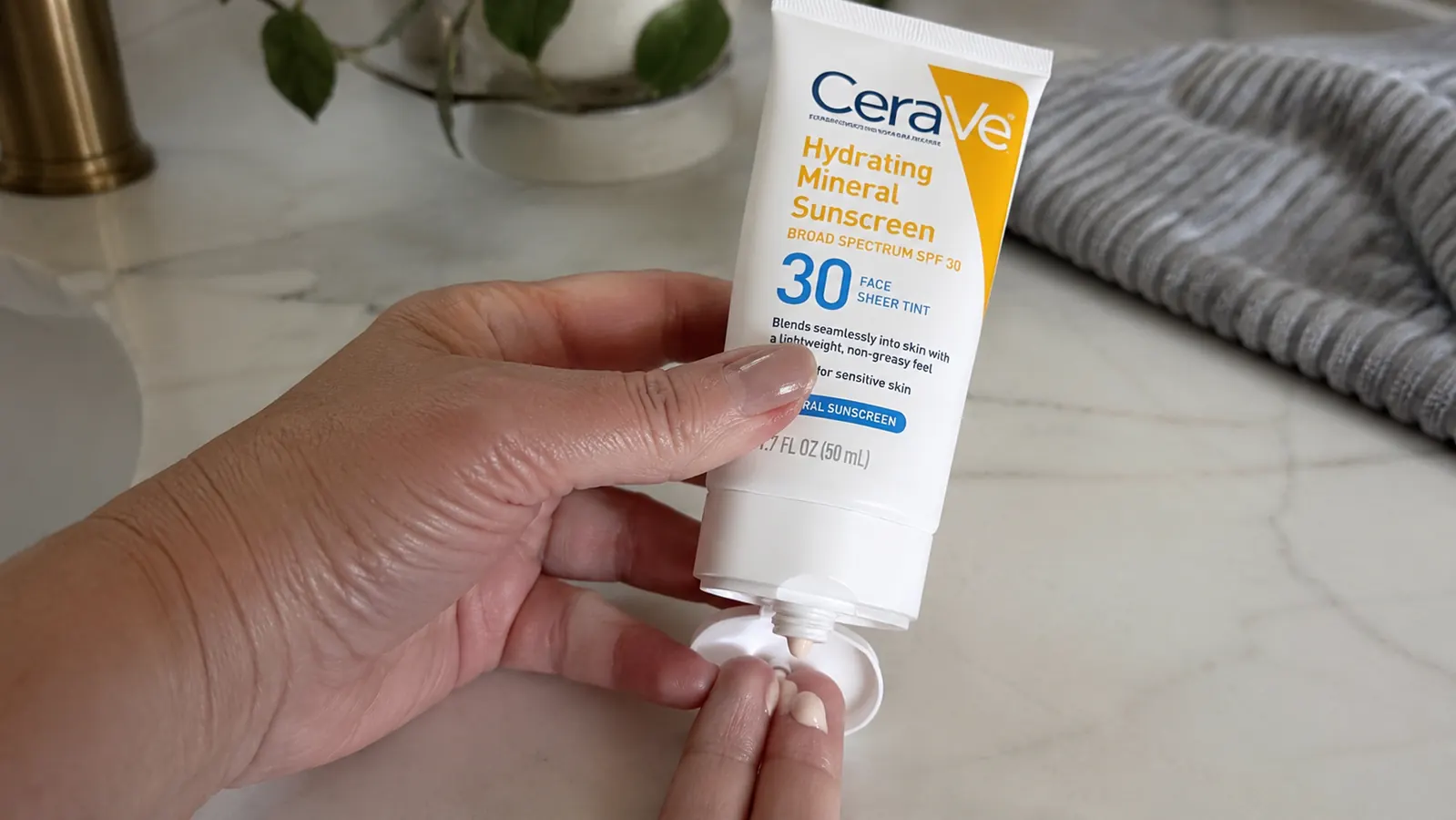
Here's the first thing nobody mentions, CeraVe's Hydrating Mineral Sunscreen absolutely still needs reapplying, and mineral sunscreen in general does not get a pass on this despite what half the internet seems to believe. I've heard clients say for years that zinc oxide just sits there protecting you all day, as if it's a coat of paint. It isn't. It rubs off on your steering wheel, your sunglasses, your phone against your cheek, your pillowcase if you go to bed without washing your face. CeraVe's SPF 30 rating assumes a full, undisturbed layer, and normal daily friction breaks that layer down faster than the label makes it sound.
Second thing nobody tells you, this CeraVe formula has a faint scent straight out of the tube, not unpleasant exactly, but noticeable, a little bit like sunscreen smells even though it isn't marketed as heavily perfumed. If you're someone who reacts to any scent at all, patch test it first. Third, the peachy tint you see in the tube is more pigmented than what ends up on your face. People post one star reviews panicked that CeraVe turned them orange when really they just needed to blend for another ten to fifteen seconds. I've watched this happen with my own eyes more than once.
And fourth, the one that surprised me most, CeraVe's mineral sunscreen behaves differently depending on how much time has passed since you moisturized underneath it. Apply it onto skin that's still slightly damp from your moisturizer and it glides on sheer. Apply it onto fully dry skin, the way I did on a rushed Tuesday morning, and it grabs a little, sits more visibly, and takes longer to blend in. That's not a flaw exactly, but it's exactly the kind of detail that turns into a confused one star review from someone who didn't know why their results varied day to day.
The White Cast Question, Timed to the Minute
Since this is the question I get asked more than any other, I timed it. On my own medium, olive leaning skin, CeraVe's tint blends in fully within about 15 seconds of patting, no visible cast at all, even under flash photography at my daughter's birthday dinner. On Renee's fair, pink undertoned skin, the story was different. Right out of the tube, CeraVe's sunscreen left a soft grayish white sheen across her cheeks and forehead for a solid 60 to 90 seconds. It settled down after that, fading to a faint warmth rather than true coverage, but it never fully vanished the way it does on my skin.
Renee's honest verdict, texted to me at 7:42am on day nine, was that it's fine once it sets but she looks like a ghost for a minute first, every single time. That's the tradeoff CeraVe doesn't put on the label. If you're very fair, budget an extra minute of patience after applying, and consider putting it on before you get dressed rather than right before you walk out the door. If you're medium to deeper in tone, this is largely a non issue, and most of the one star white cast complaints I've read online came from people who simply didn't wait it out.
I'll also say this plainly, because nobody selling you sunscreen wants to, CeraVe's single universal tint is not a substitute for a shade matched foundation, no matter how the marketing photos make it look. It evens tone and calms redness. It does not correct dark spots or match every skin tone identically. Renee's version of fine once it sets and my version of basically invisible are both true, and both depend entirely on the skin CeraVe is going onto.
The Two Finger Rule Nobody Follows
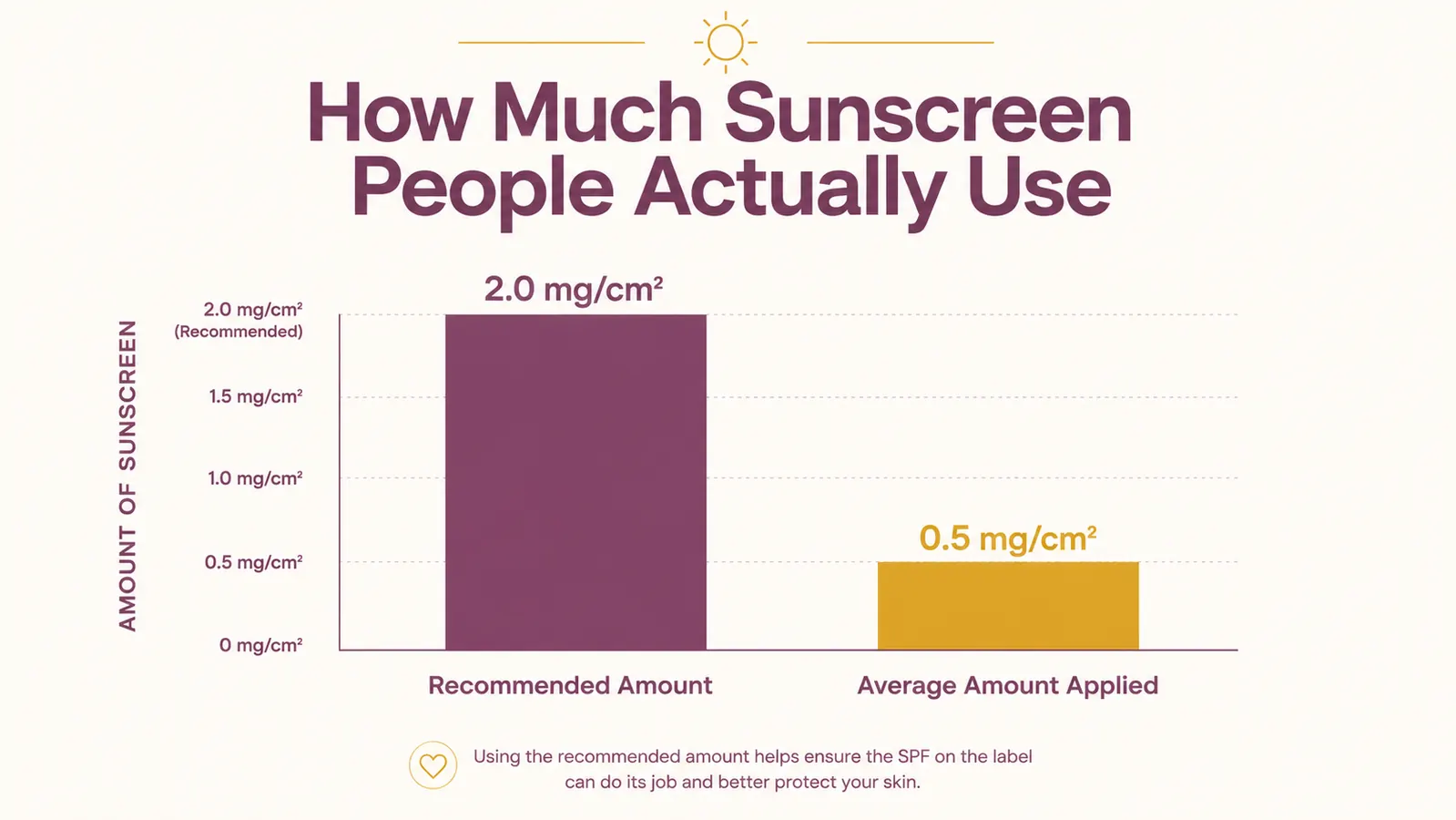
Dermatologists recommend two full finger lengths of sunscreen for the face and neck, roughly a quarter teaspoon. I'd bet real money that almost nobody applying CeraVe's mineral sunscreen at home is using anywhere close to that. I certainly wasn't, not until I measured it out on purpose one morning and realized my normal dab was maybe a third of the recommended amount. Under applying is the single biggest reason any sunscreen, mineral or chemical, fails to perform the way its SPF number promises. CeraVe's zinc oxide and titanium dioxide can only do their job if there's actually enough product sitting on your skin, spread evenly, not stretched thin to make the tube last longer.
This matters more with CeraVe's formula than a fluid chemical sunscreen because the mineral filters need a fuller, more even layer to physically block UV rays the way they're designed to. Skimp on a chemical sunscreen and you lose some protection. Skimp on CeraVe's mineral sunscreen and you can end up with visible gaps in coverage, the exact kind of patchy protection that leads to a stray sunburned strip along your hairline or the tops of your ears, the same spots my old clients used to show up to the salon with every June.
Once I started actually measuring the two finger amount, I went through my CeraVe tube noticeably faster, and that's worth budgeting for. A 1.7 ounce tube used correctly, covering face, ears, and neck, will not stretch as far as most people expect, especially if you're also using it on your chest on tank top days like I do most of a Georgia summer. That's not a flaw in CeraVe's product. It's just math nobody mentions before you buy your first tube.
Layering Problems Nobody Warns You About
I deliberately layered CeraVe's mineral sunscreen under and over things it's not always compatible with, to see what would actually happen. Under a heavier retinol cream, it pilled, rolling into tiny visible balls along my smile lines within about twenty minutes, the same way a lot of sunscreen and retinol combinations tend to when you rush the order or skip letting each layer set. Waiting a full five minutes between my retinol night routine residue and this CeraVe sunscreen the next morning solved it almost completely. Rushing straight from a vitamin C serum into CeraVe's sunscreen without waiting caused some mild pilling too, though less dramatic.
Over the top, under makeup, CeraVe held up fine for me through a normal workday, but Renee found her foundation slid slightly by early afternoon on days she was sweating more, which she chalked up to the tint's slightly richer texture compared to a plain, untinted sunscreen. Neither of us found this to be a dealbreaker, but if you're someone who layers five products before you leave the house every morning, know that CeraVe's mineral sunscreen wants to be one of the earlier layers, fully set, not the very last thing you rush on as you're grabbing your keys.
Buying It Right: Counterfeits, Expiration, and Third Party Sellers
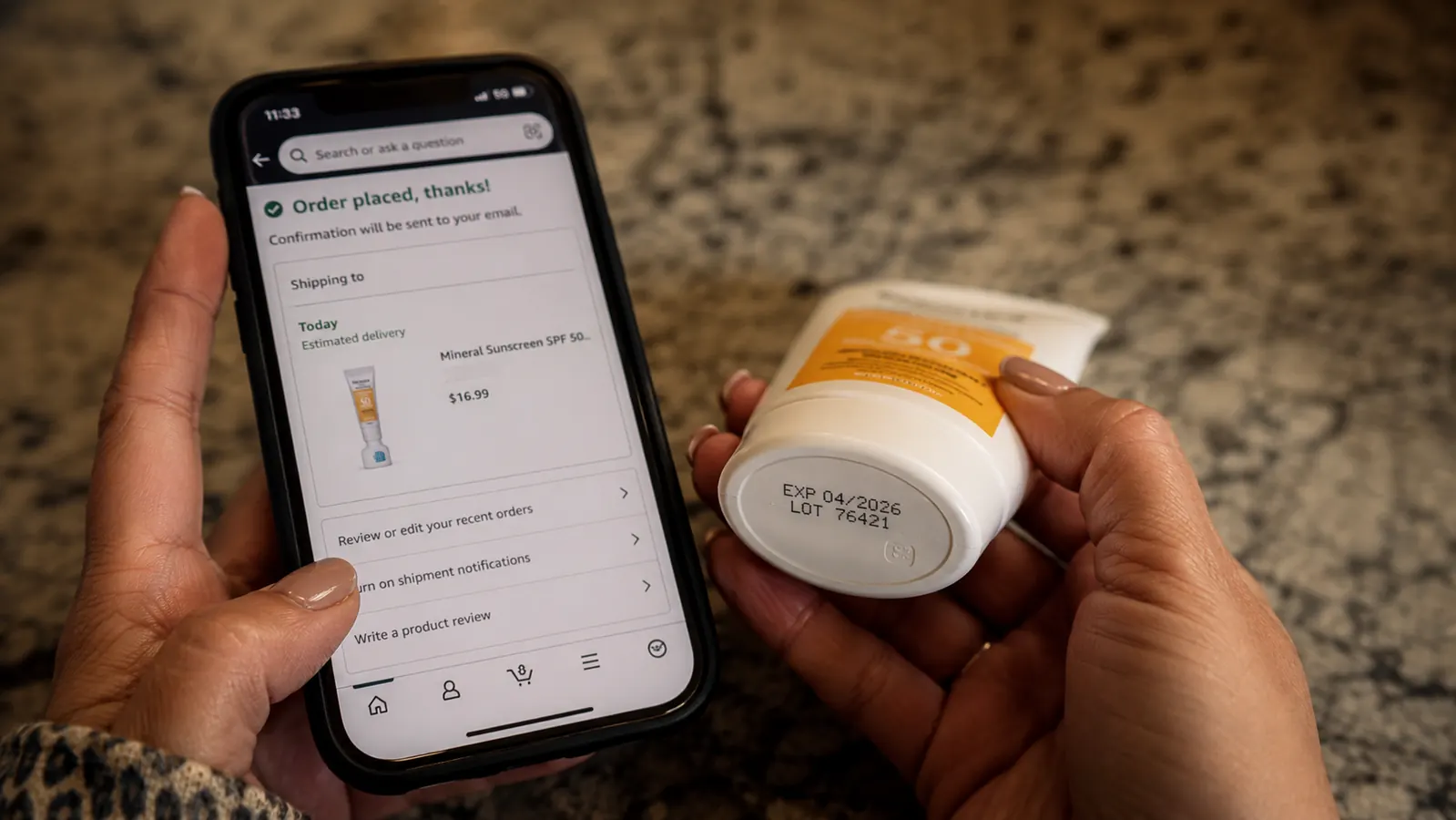
Nobody talks about this part either. Mineral sunscreens like CeraVe's do expire, and zinc oxide formulas can separate or go gritty past their date, especially if a tube has been sitting in a hot warehouse or a stockroom for a year before it ships to you. When you order CeraVe's Hydrating Mineral Sunscreen, check the batch code and the expiration date stamped on the bottom of the tube the moment it arrives, and buy from a listing fulfilled by Amazon itself or CeraVe's official storefront rather than an unfamiliar third party seller with a suspiciously low price. I've heard from more than one former client who ended up with an old, separated tube that never performed the way this review describes.
My advice, order CeraVe's mineral sunscreen with enough lead time that you're not desperate and grabbing whatever pops up first, check the seller name before you check out, and don't panic if the texture feels slightly different tube to tube. Zinc oxide and titanium dioxide formulas can vary in thickness by season and batch, and that's normal, not a sign of a fake. The version I tested behaved consistently across the two tubes I bought myself, both from Amazon's main listing.
What I Liked
- Mineral zinc oxide and titanium dioxide protection that's gentle even after too little sleep and too much retinol the night before
- Tint blends invisibly on medium to olive skin within about 15 seconds
- Priced low enough that using the full recommended amount doesn't feel wasteful
- Layers fine with makeup once it's given a few minutes to set
- Consistent texture batch to batch when bought from a trusted seller
Where It Falls Short
- Fair skin tones may see a visible cast for 60 to 90 seconds before it settles
- Needs a genuinely full two finger application to hit its labeled SPF 30, most people use less
- Can pill under heavier retinol or vitamin C layers if you rush the order
- Small 1.7 oz tube runs out faster once you're actually applying enough of it
- No tint-free version if you want zero color payoff at all
The white cast everybody's afraid of isn't a myth. It's just a lot shorter-lived than the one star reviews make it sound.
Who This Is For
This CeraVe sunscreen is for the person willing to actually read a label, apply a real amount, and give it a minute to settle before judging it. If you have medium to deeper skin, reactive or rosacea-prone skin like mine, or you're tired of chemical sunscreens that sting, CeraVe's mineral formula is worth the honest trial I just walked you through. It's also a smart pick if you want your SPF and your light moisturizer handled in one step, and you're not expecting a miracle, just consistent, gentle, real protection.
Who Should Skip It
If you have very fair skin and can't tolerate even a brief minute of adjustment before the tint settles, or if you're the type to apply a thin, stingy layer and expect full SPF 30 performance anyway, CeraVe's mineral sunscreen is going to frustrate you, not because the product is bad, but because it demands a little patience and the right amount of product to actually deliver. If you want a fragrance free formula with zero scent whatsoever, or a shade range instead of one universal tint, look at other options before you buy this one.
Now you know what the five star reviews leave out. Judge CeraVe on the full picture.
Apply it right, give the tint a minute, and CeraVe's Hydrating Mineral Sunscreen holds up. See today's price on Amazon and decide for yourself.
Amazon Check Today's Price on Amazon →